## Photograph: Portrait Painting of an Elderly Gentleman
### Overview
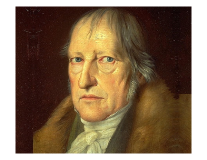
The image is a high-resolution photograph of an oil painting, specifically a bust-length portrait of an elderly Caucasian man. The painting is executed in a realistic, academic style typical of the 19th century. There is no textual information, charts, diagrams, or data present in the image. The entire visual content is the painted portrait itself.
### Components / Visual Elements
* **Subject:** An elderly man, likely in his 60s or 70s, depicted from the chest up. He is positioned in a three-quarter view, facing slightly to the viewer's left, with his gaze directed forward, creating a sense of direct engagement.
* **Attire:** He wears formal, early 19th-century clothing. This includes:
* A dark brown or black coat with a wide, prominent collar made of a textured, fur-like material (possibly beaver or otter fur).
* Underneath, a white cravat or neckcloth is tied neatly around his neck.
* A glimpse of a white shirt front is visible below the cravat.
* **Physical Features:** The man has a receding hairline with shoulder-length, straight, grey-white hair. His face shows signs of age with defined wrinkles, particularly on the forehead and around the eyes. He has a clean-shaven face, a straight nose, thin lips set in a neutral or slightly stern expression, and light-colored eyes (blue or grey).
* **Background:** The background is a dark, muted, and indistinct brownish-black, typical of formal portraiture of the era. It provides no contextual detail, focusing all attention on the subject.
* **Artistic Technique:** The painting demonstrates skilled use of chiaroscuro (strong contrast between light and dark). Light falls from the upper left, illuminating the left side of the man's face, his hair, and the white cravat, while casting the right side of his face and the background into deep shadow. The brushwork appears smooth and blended on the skin, with more textured strokes visible in the fur collar.
### Detailed Analysis / Content Details
* **Composition:** The subject is centrally framed within the rectangular canvas. The composition is traditional and formal, designed to convey dignity and status.
* **Color Palette:** The palette is subdued and earthy, dominated by:
* **Flesh tones:** Pale pinks, creams, and subtle greys for shadows.
* **Hair:** White and grey.
* **Clothing:** Deep browns, blacks, and stark white.
* **Background:** Near-black.
* **Texture:** The artist has rendered different textures convincingly: the softness of the skin, the fine strands of hair, the coarse, plush texture of the fur collar, and the smooth fabric of the cravat.
### Key Observations
* **Absence of Text/Data:** The image contains zero textual elements, labels, axes, legends, or numerical data. It is purely a visual artwork.
* **Mood and Expression:** The subject's expression is serious, contemplative, and authoritative. The direct gaze and formal attire suggest a person of significance, possibly a statesman, scholar, or wealthy patron.
* **Historical Context:** The style of dress (high cravat, fur-collared coat) and the painting technique strongly suggest a creation date in the early to mid-19th century (circa 1800-1850).
### Interpretation
This image is a historical artifact—a portrait painting meant to memorialize and convey the social standing of its subject. The lack of any accompanying text or data means the information it provides is purely visual and contextual.
* **What it Demonstrates:** It demonstrates the conventions of Western portrait painting from its era: the use of formal pose, controlled lighting, and symbolic attire to project an image of intellect, wealth, and gravitas. The focus is entirely on the individual's character and status.
* **Relationship Between Elements:** Every element serves the central subject. The dark background eliminates distraction, the lighting sculpts the face to highlight features associated with wisdom and experience (forehead, eyes), and the luxurious fur collar signifies material success.
* **Notable Anomalies:** There are no anomalies in the data, as there is no data. From an art historical perspective, the painting is a conventional and well-executed example of its genre. The primary "information" is the visual record of the man's appearance and the artistic values of his time.
**Conclusion for Technical Documentation:** This image is a portrait painting and contains no extractable textual or numerical data. Its informational content is limited to the visual description of the subject, his attire, and the artistic style, as detailed above. For any technical analysis (e.g., of painting materials, provenance, or the subject's identity), external historical records would be required.